
Viewing 199 - 204 out of 614
Veterinary Topics

Choosing Your Pet
Sugar Gliders
Thinking of getting a sugar glider? These tiny marsupials are energetic and friendly, making them popular choices as pets. Though they weigh less than a half-pound, they're more closely related to kangaroos than they are flying squirrels. If you think a sugar glider would make an ideal pet for your family,
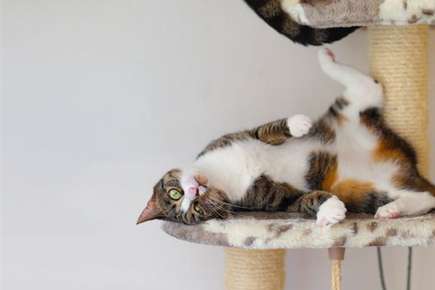
Feline
Behavioral Issues
No matter how much you love your cat, some behaviors are hard to tolerate and may even be dangerous to you, your cat or others. Here are a few common cat behavioral issues and how to best manage them. Cognitive Dysfunction Due to better food, information and veterinary care, cats are living longer than
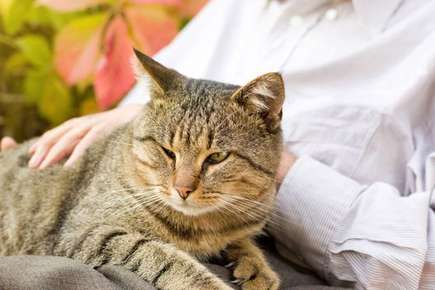
Feline
Aging
Owners often feel sad when they are forced to admit that their beloved cat is no longer jumping as high or running as fast as he or she used to. But cats, like humans, are living longer than ever, and their golden years can be of high quality despite slowing down. Advances in veterinary care, better

Pet Health
Epilepsy
Epilepsy (often referred to as a seizure disorder) is a chronic neurological condition characterized by recurrent unprovoked seizures. It is commonly controlled with medication, although surgical methods are used as well. Epileptic seizures are classified both by their patterns of activity in the brain

Living With Your Pet
Seasonal Care
Heat Stroke Heatstroke may kill or seriously injure your pet—but it can easily be avoided by adhering to the following tips. Never leave pets in cars on warm days. Exercise your pet during the cool part of the day. Look out for rapid breathing, loud panting or staggering; these can be signs of dehydration,

Living With Your Pet
Recognizing Illnesses
Only a healthy pet is a happy companion. Assuring your pet's daily well-being requires regular care and close attention to any hint of ill health. The American Veterinary Medical Association therefore suggests that you consult your veterinarian if your pet shows any of the following signs: * Abnormal
1
2
3
4
5
6
7
8
9
10
11
12
13
14
15
16
17
18
19
20
21
22
23
24
25
26
27
28
29
30
31
32
33
34
35
36
37
38
39
40
41
42
43
44
45
46
47
48
49
50
51
52
53
54
55
56
57
58
59
60
61
62
63
64
65
66
67
68
69
70
71
72
73
74
75
76
77
78
79
80
81
82
83
84
85
86
87
88
89
90
91
92
93
94
95
96
97
98
99
100
101
102
103
Page 1
Page 2
Page 3
Page 4
Page 5
Page 6
Page 7
Page 8
Page 9
Page 10
Page 11
Page 12
Page 13
Page 14
Page 15
Page 16
Page 17
Page 18
Page 19
Page 20
Page 21
Page 22
Page 23
Page 24
Page 25
Page 26
Page 27
Page 28
Page 29
Page 30
Page 31
Page 32
Page 33
Page 34
Page 35
Page 36
Page 37
Page 38
Page 39
Page 40
Page 41
Page 42
Page 43
Page 44
Page 45
Page 46
Page 47
Page 48
Page 49
Page 50
Page 51
Page 52
Page 53
Page 54
Page 55
Page 56
Page 57
Page 58
Page 59
Page 60
Page 61
Page 62
Page 63
Page 64
Page 65
Page 66
Page 67
Page 68
Page 69
Page 70
Page 71
Page 72
Page 73
Page 74
Page 75
Page 76
Page 77
Page 78
Page 79
Page 80
Page 81
Page 82
Page 83
Page 84
Page 85
Page 86
Page 87
Page 88
Page 89
Page 90
Page 91
Page 92
Page 93
Page 94
Page 95
Page 96
Page 97
Page 98
Page 99
Page 100
Page 101
Page 102
Page 103
HOURS OF OPERATION
Monday
07:00 am - 05:30 pm
Tuesday
07:00 am - 05:30 pm
Wednesday
07:00 am - 05:30 pm
Thursday
07:00 am - 05:30 pm
Friday
07:00 am - 05:30 pm
Saturday
08:00 am - 12:00 pm
Sunday
Closed
LOCATION
Find us on the map
Address
200 W US Hwy 18, PO Box 186,
Montfort, WI 53569
Contact Information
