
Viewing 169 - 174 out of 614
Veterinary Topics

Feline
Staph Infection in Cats
Staphylococcus aureus is a type of bacteria that commonly live on the skin in both people and animals. Usually, this does not cause any problems. However, sometimes the bacteria can change so that the antibiotic methicillin no longer works on them—meaning, this drug cannot slow their growth or kill
Feline
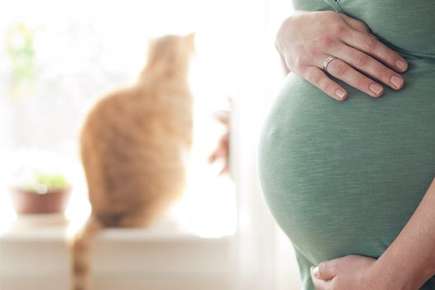
Toxoplasmosis
Toxoplasmosis is a disease caused by a parasite named Toxoplasma gondii (T. gondii). This parasite is very common and shows up in pets, people and nearly all other warm-blooded mammals. In spite of this, the parasite does not usually cause any real problems in cats. Life Cycle of the Toxoplasmosis Parasite T.
Feline
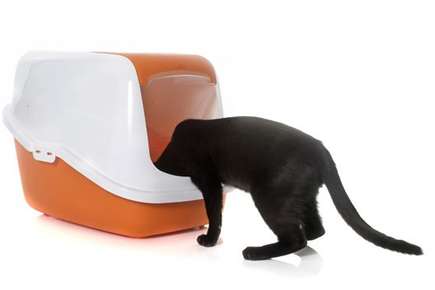
Urinary Conditions
A cat’s urinary system can be negatively affected due to a variety of reasons, including suffering from an endocrine disease, such as diabetes mellitus and hyperthyroidism. More often, however, the cause of a urinary problem is a feline lower urinary tract disease (FLUTD). When problems with the urinary
Feline
Vestibular Problems
In order to understand how vestibular problems exist, one must first look at the vestibular system, which consists of the parts of the inner ear (vestibular apparatus) and brain (medulla) that help regulate balance and eye movements. The vestibular apparatus involves a number of fluid-filled chambers,

Feline
Caring for Senior Cats
Thanks to advancements in veterinary care, today’s cats can live well into their teen years. It is not uncommon for cats to live to be 18 or even older. However, in order for cats to live a long full life, they need proactive veterinary care to stay healthy. As cats age, they are at greater risk for

Feline
Feline Stomatitis: Treatments
Cats rarely display their pain, but cats with feline stomatitis are often the exception. If your cat appears to have mouth pain, is reluctant to eat, doesn't want to groom, is drooling, and doesn't want you to open its mouth, it may be suffering from this debilitating, degenerative oral condition, and
1
2
3
4
5
6
7
8
9
10
11
12
13
14
15
16
17
18
19
20
21
22
23
24
25
26
27
28
29
30
31
32
33
34
35
36
37
38
39
40
41
42
43
44
45
46
47
48
49
50
51
52
53
54
55
56
57
58
59
60
61
62
63
64
65
66
67
68
69
70
71
72
73
74
75
76
77
78
79
80
81
82
83
84
85
86
87
88
89
90
91
92
93
94
95
96
97
98
99
100
101
102
103
Page 1
Page 2
Page 3
Page 4
Page 5
Page 6
Page 7
Page 8
Page 9
Page 10
Page 11
Page 12
Page 13
Page 14
Page 15
Page 16
Page 17
Page 18
Page 19
Page 20
Page 21
Page 22
Page 23
Page 24
Page 25
Page 26
Page 27
Page 28
Page 29
Page 30
Page 31
Page 32
Page 33
Page 34
Page 35
Page 36
Page 37
Page 38
Page 39
Page 40
Page 41
Page 42
Page 43
Page 44
Page 45
Page 46
Page 47
Page 48
Page 49
Page 50
Page 51
Page 52
Page 53
Page 54
Page 55
Page 56
Page 57
Page 58
Page 59
Page 60
Page 61
Page 62
Page 63
Page 64
Page 65
Page 66
Page 67
Page 68
Page 69
Page 70
Page 71
Page 72
Page 73
Page 74
Page 75
Page 76
Page 77
Page 78
Page 79
Page 80
Page 81
Page 82
Page 83
Page 84
Page 85
Page 86
Page 87
Page 88
Page 89
Page 90
Page 91
Page 92
Page 93
Page 94
Page 95
Page 96
Page 97
Page 98
Page 99
Page 100
Page 101
Page 102
Page 103
HOURS OF OPERATION
Monday
07:00 am - 05:30 pm
Tuesday
07:00 am - 05:30 pm
Wednesday
07:00 am - 05:30 pm
Thursday
07:00 am - 05:30 pm
Friday
07:00 am - 05:30 pm
Saturday
08:00 am - 12:00 pm
Sunday
Closed
LOCATION
Find us on the map
Address
200 W US Hwy 18, PO Box 186,
Montfort, WI 53569
Contact Information
