
Viewing 187 - 192 out of 614
Veterinary Topics

Feline
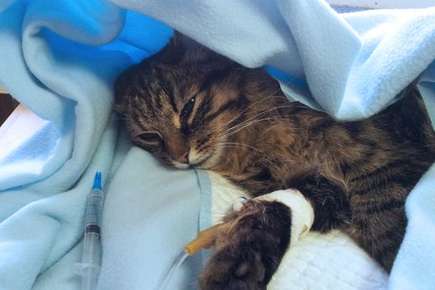
Feline Pancreatitis
Pancreatitis is rare in cats, but can be very serious. It comes in two forms: chronic and acute, with chronic being more common for cats. The disorder happens when something triggers the pancreas to start destroying its own tissue. Function of the Pancreas This V-shaped organ is small—a cat’s pancreas
Feline
Feline Leukemia Virus (FLV)
Feline leukemia virus (FeLV) is a retrovirus that, like feline immunodeficiency virus (another retrovirus), produces an enzyme known as reverse transcriptase, which allows the retrovirus to inject duplicates of its own genetic matter into the cells it has corrupted. Though closely related, because a

Feline
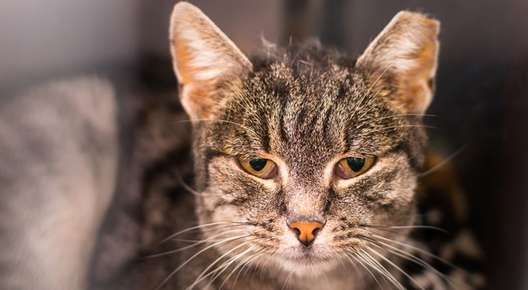
Feline Infectious Peritonitis
Feline infectious peritonitis (FIP) is a terminal disease that affects cat. Caused by feline infection peritonitis virus (FIPV), it is a mutation of feline enteric coronavirus (FECV) and is more likely to occur in environments where large groups of cats are together, such as animal shelters. The virus
Feline
Feline Immunodeficiency Virus (FIV)
Feline immunodeficiency virus (FIV) is a type of virus that weakens a cat’s immune system and makes it difficult for the cat to fight other infections. This virus affects only felines. Spread of FIV Between 1.5 and 3 percent of healthy cats in the United States are infected with FIV. Cats that roam

Feline
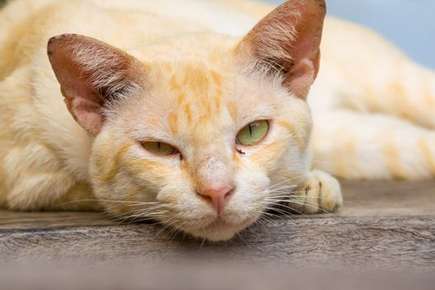
Feline Diabetes
Diabetes mellitus is a common disease in which a cat’s body does not make enough insulin or has difficulty using it. This hormone is produced in the pancreas. Its job is to help move glucose from the bloodstream into the body’s cells to provide them with a source of energy. Many cats with diabetes
Feline
Feline Anemia
A diagnosis of anemia means your cat does not have enough red blood cells and/or hemoglobin to carry sufficient oxygen to all of his or her tissues. Each red blood cell lives only 70 to 80 days, so your cat’s body must constantly replenish these. Anemia itself is not a disease; it indicates that some
1
2
3
4
5
6
7
8
9
10
11
12
13
14
15
16
17
18
19
20
21
22
23
24
25
26
27
28
29
30
31
32
33
34
35
36
37
38
39
40
41
42
43
44
45
46
47
48
49
50
51
52
53
54
55
56
57
58
59
60
61
62
63
64
65
66
67
68
69
70
71
72
73
74
75
76
77
78
79
80
81
82
83
84
85
86
87
88
89
90
91
92
93
94
95
96
97
98
99
100
101
102
103
Page 1
Page 2
Page 3
Page 4
Page 5
Page 6
Page 7
Page 8
Page 9
Page 10
Page 11
Page 12
Page 13
Page 14
Page 15
Page 16
Page 17
Page 18
Page 19
Page 20
Page 21
Page 22
Page 23
Page 24
Page 25
Page 26
Page 27
Page 28
Page 29
Page 30
Page 31
Page 32
Page 33
Page 34
Page 35
Page 36
Page 37
Page 38
Page 39
Page 40
Page 41
Page 42
Page 43
Page 44
Page 45
Page 46
Page 47
Page 48
Page 49
Page 50
Page 51
Page 52
Page 53
Page 54
Page 55
Page 56
Page 57
Page 58
Page 59
Page 60
Page 61
Page 62
Page 63
Page 64
Page 65
Page 66
Page 67
Page 68
Page 69
Page 70
Page 71
Page 72
Page 73
Page 74
Page 75
Page 76
Page 77
Page 78
Page 79
Page 80
Page 81
Page 82
Page 83
Page 84
Page 85
Page 86
Page 87
Page 88
Page 89
Page 90
Page 91
Page 92
Page 93
Page 94
Page 95
Page 96
Page 97
Page 98
Page 99
Page 100
Page 101
Page 102
Page 103
HOURS OF OPERATION
Monday
07:00 am - 05:30 pm
Tuesday
07:00 am - 05:30 pm
Wednesday
07:00 am - 05:30 pm
Thursday
07:00 am - 05:30 pm
Friday
07:00 am - 05:30 pm
Saturday
08:00 am - 12:00 pm
Sunday
Closed
LOCATION
Find us on the map
Address
200 W US Hwy 18, PO Box 186,
Montfort, WI 53569
Contact Information
