
Viewing 7 - 12 out of 17
Veterinary Topics
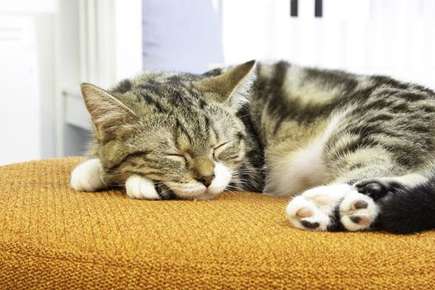
Feline
Feline Pancreatitis
Pancreatitis is rare in cats, but can be very serious. It comes in two forms: chronic and acute, with chronic being more common for cats. The disorder happens when something triggers the pancreas to start destroying its own tissue. Function of the Pancreas This V-shaped organ is small—a cat’s pancreas
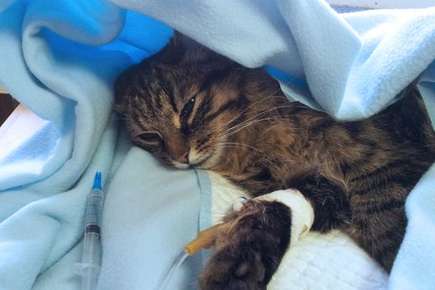
Feline
Feline Leukemia Virus (FLV)
Feline leukemia virus (FeLV) is a retrovirus that, like feline immunodeficiency virus (another retrovirus), produces an enzyme known as reverse transcriptase, which allows the retrovirus to inject duplicates of its own genetic matter into the cells it has corrupted. Though closely related, because a

Feline
Feline Infectious Peritonitis
Feline infectious peritonitis (FIP) is a terminal disease that affects cat. Caused by feline infection peritonitis virus (FIPV), it is a mutation of feline enteric coronavirus (FECV) and is more likely to occur in environments where large groups of cats are together, such as animal shelters. The virus
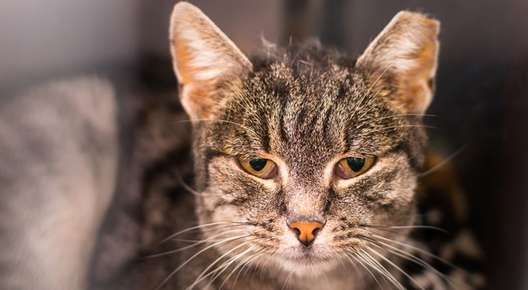
Feline
Feline Immunodeficiency Virus (FIV)
Feline immunodeficiency virus (FIV) is a type of virus that weakens a cat’s immune system and makes it difficult for the cat to fight other infections. This virus affects only felines. Spread of FIV Between 1.5 and 3 percent of healthy cats in the United States are infected with FIV. Cats that roam

Feline
Common Fungal Infections in Cats
Fungi are spore-generating, parasitic organisms. They are able to survive by taking in food from the hosts on which they grow. Cats can develop fungal infections when fungi spores are ingested, inhaled or enter a cut or wound. Common sources of most fungal infections are soil and bird droppings, making

Pet Health
Leptospirosis
Leptospirosis is a serious, life-threatening disease caused by a spiral shaped bacteria. Dogs, cats, other animals and even people can be infected through exposure to urine, bite wounds, ingestion of infected flesh, or contact with contaminated soil, water and even bedding. Certain environmental conditions
HOURS OF OPERATION
Monday
07:00 am - 05:30 pm
Tuesday
07:00 am - 05:30 pm
Wednesday
07:00 am - 05:30 pm
Thursday
07:00 am - 05:30 pm
Friday
07:00 am - 05:30 pm
Saturday
08:00 am - 12:00 pm
Sunday
Closed
LOCATION
Find us on the map
Address
200 W US Hwy 18, PO Box 186,
Montfort, WI 53569
Contact Information
